Augusta GA Home Search Real Estate Blog

AugustaGAHomeSearch real estate blog covering local neighborhoods, home buying, selling and market updates

June 3, 2026

What are the best neighborhoods near the medical district?

If you're moving to Augusta for healthcare, education, military, or professional opportunities, one of the most common questions is:

"What are the best neighborhoods near Augusta's Medical District?"

The Medical District is one of Augusta's largest employment centers, home to major healthcare facilities, research centers, and educational institutions. Whether you're a physician, nurse, medical student, researcher, resident, or simply want convenient access to healthcare and downtown amenities, several neighborhoods stand out for their location, character, and lifestyle.

Let's explore the top neighborhoods near Augusta's Medical District and why so many buyers choose to call them home.


Why Live Near Augusta's Medical District?

The Augusta Medical District serves as a hub for healthcare, education, and innovation. Residents enjoy close proximity to:

  • Augusta University
  • Medical College of Georgia
  • Piedmont Augusta
  • Charlie Norwood VA Medical Center
  • Downtown Augusta
  • Savannah River attractions
  • Local restaurants and entertainment
  • Major employers

Living nearby often means:

✅ Shorter commutes

✅ Increased property demand

✅ Strong rental opportunities

✅ Historic charm and mature landscapes

✅ Easy access to downtown events


1. Summerville

6

Augusta's Most Iconic Neighborhood

Summerville is often considered Augusta's premier historic neighborhood and is one of the closest residential communities to the Medical District.

Known for its:

  • Historic architecture
  • Large oak trees
  • Walkable streets
  • Beautiful parks
  • Timeless Southern charm

Many physicians, professors, and healthcare professionals choose Summerville because of its convenience and character.

Highlights

  • Minutes from Augusta University
  • Historic homes dating back decades
  • Strong resale value
  • Walkability
  • Close to downtown Augusta

Ideal For

  • Physicians
  • Medical residents
  • Faculty members
  • Historic-home enthusiasts

2. Forest Hills

7

Established Luxury Near Downtown

Forest Hills offers larger lots, mature landscaping, and upscale homes while remaining close to the Medical District.

The neighborhood surrounds the renowned Forest Hills Golf Club and provides a quiet residential setting only minutes from hospitals and downtown.

Highlights

  • Larger custom homes
  • Golf course views
  • Mature trees
  • Strong community atmosphere
  • Convenient access to medical facilities

Ideal For

  • Established professionals
  • Families
  • Executives relocating to Augusta

3. National Hills

5

Location, Location, Location

National Hills is one of Augusta's most desirable neighborhoods due to its proximity to both the Medical District and Augusta National Golf Club.

Residents enjoy:

  • Excellent access to Interstate 20
  • Nearby shopping and dining
  • Strong property values
  • Quick commutes

Highlights

  • Near Augusta National
  • Diverse housing options
  • Close to healthcare facilities
  • Popular with relocating professionals

Ideal For

  • Healthcare workers
  • Golf enthusiasts
  • Corporate relocations

4. Olde Town Augusta

5

Historic Living Near Downtown

Olde Town offers some of Augusta's most historic homes and architecture.

Located between downtown Augusta and the Medical District, this neighborhood provides:

  • Rich history
  • Unique homes
  • Urban convenience
  • Growing revitalization

Highlights

  • Historic character
  • Downtown access
  • Unique architecture
  • Investment potential

Ideal For

  • Young professionals
  • Medical students
  • Historic-home buyers

5. Harrisburg

Affordable Housing Close to Work

Harrisburg sits directly adjacent to the Medical District, making it one of the shortest commutes available.

The area has seen ongoing revitalization efforts and continues attracting buyers seeking affordability and convenience.

Highlights

  • Close to hospitals
  • Affordable housing options
  • Investment opportunities
  • Easy access to downtown

Ideal For

  • First-time buyers
  • Medical students
  • Investors

6. West Augusta

Modern Convenience and Amenities

For buyers seeking newer homes and access to shopping, West Augusta is a popular choice.

Although slightly farther from the Medical District, commute times remain manageable while offering:

  • Newer developments
  • Shopping centers
  • Dining options
  • Highly desirable communities

Highlights

  • Modern homes
  • Retail conveniences
  • Family-friendly atmosphere
  • Strong resale demand

Ideal For

  • Families
  • Relocating professionals
  • Buyers seeking newer construction

7. Martinez

Martinez continues to attract healthcare professionals who want suburban living while maintaining easy access to the Medical District.

Highlights

  • Excellent schools
  • Established neighborhoods
  • Shopping and dining
  • Family-oriented lifestyle

Ideal For

  • Families
  • Physicians
  • Long-term homeowners

Which Neighborhood Is Best for Healthcare Professionals?

The answer depends on your priorities:

Priority Recommended Neighborhood
Closest to Medical District Summerville
Historic Charm Summerville or Olde Town
Luxury Homes Forest Hills
Golf Lifestyle National Hills
Investment Potential Harrisburg
Family-Friendly Living Martinez
Newer Homes West Augusta

Augusta Medical District Real Estate Market Outlook

Demand for homes near Augusta's Medical District remains strong due to:

  • Growth of Augusta University
  • Expanding healthcare employment
  • Continued downtown redevelopment
  • Consistent relocation activity

Properties located near hospitals and educational institutions often attract both homeowners and investors, making these neighborhoods attractive long-term investments.


Final Thoughts

The best neighborhood near Augusta's Medical District depends on your lifestyle, budget, and housing goals. For historic charm and unmatched convenience, Summerville often tops the list. For luxury living, Forest Hills remains a favorite. For affordability and investment opportunities, Harrisburg and Olde Town deserve consideration.

Whether you're relocating for a medical career, attending Augusta University, or simply want a convenient location near downtown, Augusta offers a variety of neighborhoods that combine accessibility, character, and long-term value.

If you're considering buying or selling a home near Augusta's Medical District, working with a local real estate professional can help you identify the neighborhood that best fits your needs and goals.

Explore More Augusta Area Real Estate

  • Homes for Sale in Summerville
  • Homes for Sale in Forest Hills
  • Homes for Sale in National Hills
  • Homes for Sale in Olde Town Augusta
  • Homes Near Augusta University
  • Luxury Homes in Augusta, GA
  • Golf Course Homes in Augusta, GA
  • Relocation Guide to Augusta, Georgia

Looking for homes near Augusta's Medical District? AugustaGAHomeSearch.com can help you discover the latest listings, neighborhood insights, and local market expertise throughout Augusta, Evans, Grovetown, Martinez, North Augusta, and Aiken.

June 2, 2026

Should I buy a home in Augusta or rent?

Should I Buy a Home in Augusta or Rent?

One of the most common questions people ask when relocating to the Augusta area is: Should I buy a home or continue renting?

The answer depends on your financial situation, future plans, and lifestyle goals. Augusta, Georgia, remains one of the most affordable housing markets in the Southeast, making homeownership an attractive option for many residents. However, renting can still be the right choice for some people depending on their circumstances.

Let's explore the advantages and disadvantages of both options to help you make an informed decision.


Why Augusta Is Attracting Home Buyers

Augusta continues to attract new residents because of its affordability, growing economy, healthcare industry, military presence, and quality of life.

Some of the area's largest employers include:

  • Augusta University
  • Fort Gordon
  • Savannah River Site
  • Local healthcare systems and technology employers

Combined with a relatively low cost of living, many renters eventually find that buying a home may be more affordable than they expected.


Reasons to Buy a Home in Augusta

1. Build Equity Instead of Paying Rent

When you rent, your monthly payment helps build your landlord's wealth.

When you own a home, a portion of every mortgage payment goes toward building equity in your property. Over time, this equity can become a significant financial asset.

For many Augusta homeowners, homeownership becomes a long-term wealth-building strategy.


2. Home Prices Remain Relatively Affordable

Compared to larger cities such as Atlanta, Charlotte, or Nashville, Augusta still offers excellent value.

Buyers can often find:

  • Single-family homes with larger lots
  • New construction communities
  • Golf course homes
  • Homes with pools
  • Luxury properties at lower price points than many metropolitan markets

Popular areas include:

  • Evans
  • Grovetown
  • Martinez
  • North Augusta
  • Aiken

3. Stable Monthly Housing Costs

With a fixed-rate mortgage, your principal and interest payment generally remains consistent.

Renters often experience annual rent increases, making budgeting more difficult over time.

Many homeowners appreciate the predictability of knowing their housing payment years into the future.


4. Tax Advantages

Homeownership may offer certain tax benefits depending on your financial situation.

Potential benefits can include deductions related to mortgage interest and property taxes. Always consult a qualified tax professional for advice specific to your circumstances.


5. More Freedom and Personalization

Homeowners can:

  • Paint walls
  • Remodel kitchens
  • Update landscaping
  • Add fences
  • Install smart-home features
  • Customize outdoor living spaces

Renters are typically limited by lease agreements and landlord restrictions.


Reasons Renting May Be the Better Choice

1. You Plan to Move Soon

If you expect to relocate within the next two to five years, renting may make more financial sense.

Buying and selling a home involves:

  • Closing costs
  • Moving expenses
  • Potential repairs
  • Realtor commissions

Short-term residents may not stay long enough to fully benefit from home appreciation and equity growth.


2. You Want Maximum Flexibility

Renting offers the ability to move when a lease expires.

This flexibility can be valuable if:

  • Your career may change locations
  • You're exploring different neighborhoods
  • You're uncertain about long-term plans

3. Lower Upfront Costs

Buying a home typically requires:

  • Down payment
  • Closing costs
  • Inspection fees
  • Appraisal fees

Renting generally requires a security deposit and first month's rent, making it more accessible for some individuals.


4. Less Responsibility

Homeowners are responsible for:

  • Roof repairs
  • HVAC replacements
  • Plumbing issues
  • Landscaping maintenance

Renters often enjoy having maintenance handled by property management or landlords.


Financial Questions to Ask Yourself

Before deciding whether to buy or rent in Augusta, consider:

Do You Have an Emergency Fund?

Homeownership comes with unexpected expenses. Having savings available can help protect your investment.

Is Your Credit Ready?

A stronger credit score often results in better mortgage options and lower interest rates.

Will You Stay in Augusta for Several Years?

Generally, buying becomes more beneficial when you plan to remain in the area long enough to offset transaction costs.

Can You Comfortably Afford Monthly Payments?

Remember to factor in:

  • Mortgage payment
  • Property taxes
  • Insurance
  • Utilities
  • HOA fees (if applicable)
  • Maintenance costs

Best Areas for Home Buyers in the Augusta Region

Different communities appeal to different lifestyles.

Evans

Evans is known for:

  • Excellent schools
  • Newer developments
  • Family-friendly neighborhoods
  • Strong resale demand

Grovetown

Grovetown offers:

  • Affordable new construction
  • Convenient access to Fort Eisenhower
  • Growing retail and dining options

North Augusta

North Augusta provides:

  • Riverfront development
  • Historic charm
  • Easy access to downtown Augusta

Aiken

Aiken attracts buyers seeking:

  • Equestrian lifestyle
  • Historic neighborhoods
  • Small-town atmosphere

So, Should You Buy or Rent in Augusta?

For many people planning to stay in the Augusta area for several years, buying a home can be an excellent long-term financial decision. Homeownership provides opportunities to build equity, enjoy stable housing costs, and benefit from potential appreciation.

However, renting remains a smart choice for those who value flexibility, anticipate relocating, or need additional time to strengthen their finances before purchasing.

The best decision depends on your goals, budget, and timeline.

If you're considering a move to Augusta, Evans, Grovetown, Martinez, North Augusta, or Aiken, comparing local home prices with rental costs can help you determine which option makes the most sense for your situation.

June 2, 2026

What are the safest neighborhoods in Augusta?

What Are the Safest Neighborhoods in Augusta?

When people consider moving to the Augusta area, one of the first questions they ask is:

"What are the safest neighborhoods in Augusta, GA?"

While no neighborhood is completely crime-free, several communities throughout the Augusta metro area consistently attract families, retirees, healthcare professionals, military personnel, and remote workers because of their strong reputations, quality schools, community involvement, and overall quality of life.

If you're relocating to the Augusta area, here are some of the neighborhoods and communities that are often considered among the safest and most desirable places to live.


Why Safety Matters When Choosing a Neighborhood

Safety affects much more than peace of mind. It can influence:

  • Home values
  • School quality
  • Insurance costs
  • Community engagement
  • Walkability
  • Future resale value

Many buyers relocating to the Augusta area prioritize neighborhoods with:

  • Low crime rates
  • Active homeowners associations
  • Well-maintained public spaces
  • Highly rated schools
  • Strong community involvement

Evans, GA: One of the Most Popular Places to Live Near Augusta

Evans

Located in Columbia County, Evans is frequently ranked among the best places to live in Georgia. The area has experienced significant growth over the past decade while maintaining a strong reputation for safety and family-friendly living.

Why Buyers Love Evans

  • Highly rated schools
  • Master-planned communities
  • Excellent parks and recreation
  • Modern shopping and dining
  • Strong property appreciation

Popular Evans neighborhoods include:

  • Windmill Plantation
  • Jones Creek
  • Riverwood Plantation
  • Highgrove at Williamsburg
  • Stratford
  • Magnolia Valley Plantation

Many families relocating to Augusta specifically target Evans because of its schools, community atmosphere, and newer housing inventory.


River Island

River Island

River Island is one of the most prestigious master-planned communities in the Augusta area.

This upscale neighborhood features:

  • Gated sections
  • Miles of walking trails
  • Community events
  • Riverfront views
  • Large custom homes

Residents enjoy a close-knit atmosphere with extensive neighborhood amenities, making it one of the most sought-after communities in the region.


Martinez, GA

Martinez

Martinez offers a blend of established neighborhoods, convenient shopping, and strong community ties.

Many buyers appreciate Martinez because it provides:

  • Convenient access to downtown Augusta
  • Established tree-lined neighborhoods
  • Excellent healthcare access
  • Strong resale values
  • Affordable options compared to newer developments

Popular communities include:

  • Rhodes Farm
  • Petersburg Station
  • Barrington
  • Blackstone
  • Springlakes

Martinez continues to be one of the most desirable suburbs in the Augusta metro area.


Summerville Historic District

Summerville Historic District

For buyers seeking charm and character, Summerville remains one of Augusta's most beloved neighborhoods.

Known for:

  • Historic homes
  • Mature oak trees
  • Walkable streets
  • Close proximity to downtown
  • Strong neighborhood pride

Summerville attracts professionals, physicians, university staff, and retirees looking for a unique living experience close to the city's cultural and medical centers.


North Augusta, South Carolina

North Augusta

Just across the Savannah River, North Augusta has become one of the fastest-growing communities in the CSRA.

Many residents choose North Augusta because of:

  • Excellent community planning
  • Strong public services
  • Riverfront development
  • Family-friendly atmosphere
  • Access to Augusta employers

Popular neighborhoods include:

  • Hammond's Ferry
  • River Club
  • Bergen Place West
  • Savannah Barony
  • The Rapids

North Augusta provides a small-town feel while remaining only minutes from downtown Augusta.


Cedar Creek in Aiken County

Cedar Creek

For buyers willing to live slightly farther from Augusta, Cedar Creek offers a peaceful lifestyle with golf course living and spacious homes.

Residents enjoy:

  • Golf course views
  • Walking trails
  • Community events
  • Larger lot sizes
  • Quiet surroundings

Many retirees and professionals appreciate the relaxed pace and strong sense of community.


Columbia County: Augusta's Safety Leader

Columbia County

Many of the area's safest neighborhoods are located within Columbia County.

Communities throughout Evans, Martinez, and Grovetown benefit from:

  • Strong public services
  • Consistently desirable schools
  • Continued economic growth
  • Well-maintained infrastructure

As a result, Columbia County remains one of the most popular destinations for relocation buyers moving to the Augusta region.


Factors to Consider Beyond Crime Statistics

When evaluating a neighborhood, it's important to look beyond crime data alone.

Consider:

Schools

Quality schools often contribute to neighborhood stability and long-term property values.

Community Involvement

Active homeowners associations and neighborhood groups can help create a safer environment.

Home Values

Neighborhoods with strong property values often attract long-term residents and continued investment.

Amenities

Parks, trails, shopping centers, and recreation facilities can improve overall quality of life.

Commute Times

The safest neighborhood may not be the best fit if it significantly increases your daily commute.


Best Safe Neighborhoods Near Augusta at a Glance

Neighborhood Best For
Evans Families and relocation buyers
River Island Luxury living
Martinez Convenience and value
Summerville Historic charm
North Augusta Small-town atmosphere
Cedar Creek Golf course lifestyle
Riverwood Plantation Active families
Jones Creek Golf and executive homes

Final Thoughts

If you're searching for the safest neighborhoods in Augusta, communities in Evans, Martinez, River Island, Summerville, and North Augusta consistently rank among the area's most desirable places to live.

The "best" neighborhood ultimately depends on your lifestyle, budget, commute preferences, and housing goals. Whether you're looking for a luxury riverfront home, a golf course community, a historic district, or a family-friendly subdivision, the Augusta area offers a wide variety of safe and attractive options.

As the Augusta region continues to grow, these neighborhoods remain popular choices for buyers seeking strong property values, excellent amenities, and a high quality of life.

Looking for homes in Augusta, Evans, Grovetown, Martinez, North Augusta, or Aiken? Explore available listings and local community guides at AugustaGAHomeSearch.com and discover which neighborhood best fits your lifestyle and real estate goals.

June 1, 2026

What. is it like to live in Augusta, GA

What Is It Like to Live in Augusta, GA?

If you're considering a move to Augusta, Georgia, you're probably wondering what everyday life is really like. Known worldwide as the home of the prestigious The Masters Tournament, Augusta offers much more than championship golf. Residents enjoy a lower cost of living, a growing economy, beautiful outdoor spaces, excellent healthcare, and a welcoming Southern atmosphere that attracts families, professionals, retirees, military personnel, and remote workers alike.

Whether you're relocating for work, retirement, education, or simply seeking a better quality of life, here's what it's like to call Augusta home.

A Growing City with Small-Town Charm

Augusta combines the amenities of a larger city with the friendliness and slower pace often found in smaller communities. With a population of more than 200,000 residents in the metropolitan area, Augusta offers shopping, entertainment, dining, healthcare, and employment opportunities while maintaining a strong sense of community.

Many newcomers are surprised by how easy it is to get around town. Compared to larger metropolitan areas, traffic is relatively manageable, allowing residents to spend less time commuting and more time enjoying their lives.

Affordable Cost of Living

One of Augusta's biggest advantages is affordability.

Compared to many cities across the Southeast and the nation, Augusta offers:

  • Affordable housing options
  • Lower property taxes than many states
  • Reasonable utility costs
  • Competitive healthcare expenses
  • Lower overall living costs

Homebuyers can often find larger homes, spacious lots, and desirable neighborhoods for significantly less than what they would pay in cities such as Atlanta, Charlotte, or Nashville.

Whether you're searching for a starter home, luxury estate, golf community property, waterfront home, or new construction, Augusta provides options for a wide variety of budgets and lifestyles.

Diverse Neighborhoods for Every Lifestyle

One of the best aspects of living in Augusta is the variety of communities available throughout the area.

Popular areas include:

  • Summerville – Historic homes, mature trees, and charming streets.
  • Evans – Highly desirable suburban living with excellent amenities.
  • Riverwood Plantation – Popular golf-course and family-oriented community.
  • Grovetown – Fast-growing area near military and employment centers.
  • North Augusta – Riverfront living with easy access to downtown Augusta.
  • Aiken – Equestrian charm, historic character, and vibrant culture.

Each area offers its own unique personality, making it easier for residents to find a community that fits their lifestyle and goals.

Employment Opportunities and Economic Growth

Augusta's economy continues to expand thanks to several major industries.

Key employment sectors include:

Healthcare

Healthcare is one of the region's largest employers. Major medical facilities include:

  • Augusta University Health
  • Wellstar MCG Health
  • Doctors Hospital of Augusta

Cybersecurity and Technology

Augusta has become a national cybersecurity hub due to the presence of:

  • U.S. Army Cyber Command
  • Fort Eisenhower

These organizations have helped attract technology companies, contractors, and cybersecurity professionals to the region.

Education and Government

Educational institutions and government agencies provide stable employment opportunities throughout the area, contributing to long-term economic growth.

Outdoor Recreation and Natural Beauty

Nature lovers have plenty to enjoy in Augusta.

Residents frequently take advantage of:

  • The scenic Augusta Riverwalk
  • Boating and fishing on the Savannah River
  • Kayaking and paddleboarding
  • Local parks and walking trails
  • Golf courses throughout the CSRA

The area's mild climate allows outdoor activities during much of the year, making it easy to stay active.

Dining, Shopping, and Entertainment

Augusta's dining scene continues to grow, offering everything from Southern comfort food to international cuisine.

Residents enjoy:

  • Local restaurants and breweries
  • Downtown entertainment districts
  • Live music venues
  • Seasonal festivals
  • Farmers markets
  • Shopping centers throughout Augusta, Evans, and North Augusta

The revitalization of downtown Augusta has brought additional restaurants, nightlife, and entertainment options, creating a vibrant atmosphere for residents and visitors alike.

Education Options

Families moving to Augusta have access to both public and private education opportunities.

The region is home to:

  • Augusta University
  • Strong public school systems in surrounding counties
  • Numerous private and faith-based schools
  • Technical and workforce development programs

Many families choose Augusta because of its educational opportunities and family-friendly environment.

The Masters Tournament: A Unique Augusta Experience

Every April, Augusta transforms as golf fans from around the world visit for The Masters Tournament.

For residents, Masters Week brings:

  • Increased tourism
  • Exciting local events
  • Short-term rental opportunities
  • Economic benefits for local businesses

While the tournament is world-famous, it's only one part of what makes Augusta special year-round.

Healthcare Access

Access to quality healthcare is a major benefit of living in Augusta.

The region serves as a medical hub for eastern Georgia and western South Carolina, providing residents with advanced healthcare services, specialists, research facilities, and medical education programs.

This is particularly attractive to retirees and families seeking convenient access to healthcare resources.

Why People Love Living in Augusta, GA

Residents often cite the following reasons for choosing Augusta:

  • Affordable housing and living costs
  • Friendly community atmosphere
  • Growing job market
  • Excellent healthcare facilities
  • Outdoor recreation opportunities
  • Mild climate
  • Diverse neighborhoods
  • Strong educational options
  • Convenient location between Atlanta, Charleston, and Charlotte

Is Augusta, GA Right for You?

If you're looking for a city that offers affordability, career opportunities, outdoor recreation, Southern hospitality, and a high quality of life, Augusta deserves serious consideration.

From historic neighborhoods and luxury golf communities to family-friendly suburbs and riverfront living, Augusta provides a wide range of housing and lifestyle options for nearly every stage of life.

Whether you're relocating for work, retirement, military service, education, or simply a fresh start, Augusta continues to attract new residents who discover that life here offers a unique combination of opportunity, comfort, and community.

Thinking about moving to Augusta, GA? Explore neighborhoods, homes for sale, market trends, and relocation resources on AugustaGAHomeSearch.com to find the perfect place to call home.

July 26, 2021

Home for sale in hammond's ferry

Home for sale in hammond's ferry

Hammond’s Ferry is a new traditionally designed neighborhood on the edge of the Savannah River. The houses, buildings, and urban design of Hammond’s Ferry are an extension of the genteel architecture, friendly streets, and rich cultural heritage that already thrive in the culturally rich Savannah River Area.

cost of living in Hammond's ferry is not expensive and the people there are friendly and accommodating.

You’ll find a range of housing types- large and small single-family homes, live/workhouses, apartments, and townhomes. Many offer river views. Others have views of city parks and permanently protected greenspace.

All are designed for easy maintenance and feature porches, balconies, verandas, or broad entries within “conversational distance” of the sidewalk. The result is a strong, old-fashioned sense of community.

The new Greenway trail loops through the neighborhood and there are a number of small family parks, but on warm evenings, you’ll head for the Riverfront Esplanade. Winding along the river’s edge, the esplanade provides public access to a full mile of waterfront. Pick up a cup of coffee or an ice cream cone from one of the shops at Riverfront Square, stake out a bench, and enjoy. 


Home for sale in hammond’s ferry


We love to hear from you! Have any questions about this neighborhood please feel free to reach us


Posted in Home Buying
July 26, 2021

5 Most Popular Neighborhood in Augusta GA

5 Most Popular Neighborhood in Augusta GA


Augusta GA is one of the most popular and second largest city after Atlanta in United States. It’s located along the Savannah River from South Carolina.

 The Augusta Museum of History includes exhibits on golf and soul singer James Brown

If you’re considering living in Augusta GA, you'll want to know if there are home for sale in Augusta, cost of living, historical places and its unique characteristics and amenities.

In this post, we will be looking at the 5 most popular neighborhood in Augusta GA, These neighborhoods are constantly growing in size and their cost of living is affordable.


 What are people saying about Augusta Ga? Check this video below.


5 Most popular neighborhood in Augusta GA

1.     Elderberry subdivision

Elderberry subdivision is a wonderfully orchestrated Master Planned Community located in Augusta’s Richmond County. Elderberry offers estate-sized home sites located less than 5 miles from Gate 1 of Fort Gordon.

These gorgeous homes feature granite kitchen counter tops, stainless steel appliances and a rear covered porch for those special evenings with friends and family.

For our military personnel, this is the closest neighborhood to Fort Gordon just outside of Gate 1 in Augusta-Richmond County to provide you an easy commute to work, but also conveniently located just minutes from Georgia Regents University,

Augusta’s best medical centers, along with great local shopping centers, and so much more!   With homes built in the $160K-$300K range, there’s a dream home here to fit most budgets.

Augustagahomesearch will walk you through the selection process, taking the stress off of you and your family during your move, whether it’s across the country or across the street!

          Home for sale Elderberry subdivision


2.     Hammond’s Ferry


Hammond’s Ferry is a new traditionally designed neighborhood on the edge of the Savannah River.

     The houses, buildings, and urban design of Hammond’s Ferry are an extension of the genteel architecture, friendly streets, and rich cultural heritage that already thrive in the culturally rich Savannah River Area.

You’ll find a range of housing types- large and small single-family homes, live/work houses, apartments, and town homes. Many offer river views.

Others have views of city parks, and permanently protected greenspace. All are designed for easy maintenance and feature porches, balconies, verandas, or broad entries within “conversational distance” of the sidewalk.

The result is a strong, old-fashioned sense of community.

The new Greenway trail loops through the neighborhood and there are a number of small family parks, but on warm evenings, you’ll head for the Riverfront Esplanade.

Winding along the river’s edge, the esplanade provides public access to a full mile of waterfront. Pick up a cup of coffee or an ice cream cone from one of the shops at Riverfront Square, stake out a bench, and enjoy.

Home for sale in Hammond’s Ferry


3.     Rivernorth

These are just some of the many amenities that RiverNorth has to offer:

·        Unique new 225-acre waterfront community on the Savannah River

·        Located in South Carolina's Aiken County, one of America's top ten counties for relocation and retirement

·        Choice lots in premier settings-riverfront, wooded areas, near ponds or wetlands

·        Private haven for water buffs and nature lovers, with recreations for every taste and style in a friendly traditional neighborhood

·        Conveniently located near the festival atmosphere of Augusta, Georgia's Riverwalk with the finest in cultural entertainments, dining and exciting sports events.

·        The 30 currently available riverfront lots have pre-approved dock permits!

·        A sidewalk network that connects all phases of land currently under development.  Great for strolling through the community and for exercising.

·        Residents have the exclusive use of a 20 ft. wide community boat ramp right on the Savannah River as well as two community boat docks for water craft.


Home for sale in Rivernorth


4.     River Club


River Club is Set along the banks of the Savannah River, The River Golf Club has established itself as one of the best course designs in the Southeast since it's opening in 1998. 

       Our Augusta golf club is a semi-private facility conveniently located across from downtown Augusta, GA in North Augusta, SC. 

      The club has continued to enhance its reputation with club improvements even after  being named a top five new course nationally by Golf Digest.

The River Golf Club course combines a fantastic layout with a spectacular setting to create a golfers' paradise.

Designed by internationally acclaimed golf course architect Jim Fazio, our Augusta golf club offers a unique setting which includes new Mini-Verde ultra-dwarf Bermuda greens, numerous lakes, wetlands and dramatic bunkers.

 Home for sale river club


5.     The Rapids Subdivision

The Rapids neighborhood is located off of Martin town Road, approximately one and a half miles south of the Interstate 20, Exit 1. 

The entrance to The Rapids is about 2-3 miles from downtown North Augusta. The subdivision backs up to the Savannah River in the Overlook Section, about a mile and a half from the entrance.

The location of The Rapids is very convenient to both North Augusta and also Augusta stores and activities.  In addition, recreational opportunities abound as the subdivision has its own swimming pool and tennis courts. 

Winding through The Rapids is the North Augusta Greeneway, a 7 mile paved walking and bicycling trail that goes from Interstate 20 through the City, past the Riverview Park Activities Center and sports facility, and ends near the Savannah River at the 13th Street Bridge.

Spend your evenings riding your bike down to the river to have wine at a cafe or just simply workout.

Home for sale The Rapids Subdivision


We  love to hear from you! Have any questions about this neighborhood please feel free to reach us


Posted in Home Buying
July 26, 2021

Aiken home for sale


Aiken home for sale: Aiken is one of the largest cities in South Carolina, located
off I-20, about 20 minutes east of Augusta, Georgia, about 2-3 hours from Atlanta, savannah and Georgia

Aiken is a very ethnically diverse city majority of people living in Aiken are from different race, white, black or African-American.

Aiken is a fun place to live some of the historic places are Aiken Golf Club, Aiken Polo Club, Aiken Preparatory School, and Aiken Tennis Club.

Some of the events you can go to are Aiken Triple Crown, Aiken's Makin, Battle of Aiken Reenactment, Bluegrass Festival

If you’re considering living in Aiken, you'll want to know if there are homes for sale in Aiken, cost of living, historical places and their unique characteristics and amenities.

 In this post, we will be looking at the 5 most popular neighborhoods in Aiken, These neighborhoods are constantly growing in size and their cost of living is affordable.


5 Most popular neighborhood in Aiken.


1.     Summerton village


Summerton Village is one of the most popular neighborhood located off Whiskey Road, the village has a lot of amenities such as numerous shopping centres and restaurants.

The neighborhood is convenient to most locations in Aiken, some of the Recreational centres in the Village include the beautiful Boyd Pond Park, only 10.5 miles from the neighborhood.

Virginia Acres Park is another great option with a little bit of a shorter drive, only 4.8 miles.

It includes 210 acres of various recreational features such as walking trails, playgrounds and picnic areas.

 Home for Sale in Summerton Village

2.     The Ridge at Chukker Creek


The Ridge at Chukker Creek is one of the most popular neighborhood in Aiken located  away from busy roads and cramped developments, the Ridge benefits from the best of country living and all that the city has to offer  feature green homes.

 This neighborhood  has a lot of amenities which include Community Garden, Swimming Pool, walking trails, equestrian trails, fishing pond, athletic centre and community centre Riding Stables with a 20 Stall Barn.


Home for sale in The Ridge at Chukker Creek


3.     Cedar Creek

Cedar Creek is a popular South Carolina neighborhood in Aiken golf community with curbed streets, homes with white picket fences, tall tree canopy and wooded forests.
Cedar Creek is surrounded by beautiful horse farms and rolling hills and is well-maintained

Cedar creek is a popular retirement area, many residents at Cedar Creek are retirees with active lifestyles or desire a relaxing community to enjoy; the choice is theirs. Milder year-round weather, fewer insects and lower state taxes and overall lower cost of living attracts retirees to Aiken and Cedar Creek.

The neighborhood has a lot of amenities such as 18-hole Arthur Hills Championship designed golf course, Clubhouse & Pro Shop, lighted tennis courts, Community Center, solar heated swimming pool and miles of walking nature trails dining, shopping, theatre and cultural events centre. Finally, Cedar Creek is warm, friendly and a golf community worth living.

 Home for sale in Cedar Creek

4.     Woodside Plantation

Woodside is a gated golf community a few minutes from the historic city of Aiken, South Carolina, Woodside is one of the lowest property tax rates in the nation, convenience to excellent medical care, and a thriving cultural scene.


The neighborhood has a lot of amenities such as four 18-hole golf courses, two clubs with tennis facility, pools, and parks are world class, carved amidst scenic woodlands, lakes. finally, Woodside is warm, friendly and a golf community worth living.

All this quality of amenities and safe, serene lifestyle at Woodside make it imperative for young families and retirees alike to consider this South Carolina gated community.

Home for sale in Woodside Plantation


5.     SpringStone

Spring Stone is a neighborhood in Raleigh, North Carolina. SpringStone mostly features large homes that are very reasonably priced. This is a well-established community that dates back to 2004, and construction was completed around 2006.

 Anyone familiar with Springstone in Aiken , not the Villas. Visited last week and it seemed nice and quiet, despite being near Whiskey Rd.

 Home for Sale in Spring Stone

We love to hear from you! Have any questions about these neighborhoods, please feel free to reach us


Posted in Home Buying
May 16, 2021

Home Buying Process: 10 Things To Know Before Buying Your New Home In 2021


Are you thinking of buying a home? You should know that the home buying process can be challenging, especially if this is your first time buying a home, so before buying your dream home you should first consider your budget, the neighborhood you will like to stay.


Home buying process is more than just visiting the homes. You also need to check your credit score and financing options, find the best deal and bargain, the realtor to work with, a home inspector to work with.

But wait a minute ask yourself the following questions, whether this is the right time for you to own your dream home


•          How much house can I buy?

•          Will I need to get a loan?

•          Do I need a down payment?

•          What desired neighborhood can I afford?

•          Are home values in the neighborhood rising or falling?


In this post, we'll work you through all you need to know about the home buying process.

Knowing these steps will give you the confidence in buying your dream homes.


 Here are the 10 things to know before buying your new home

1. Check your credit score

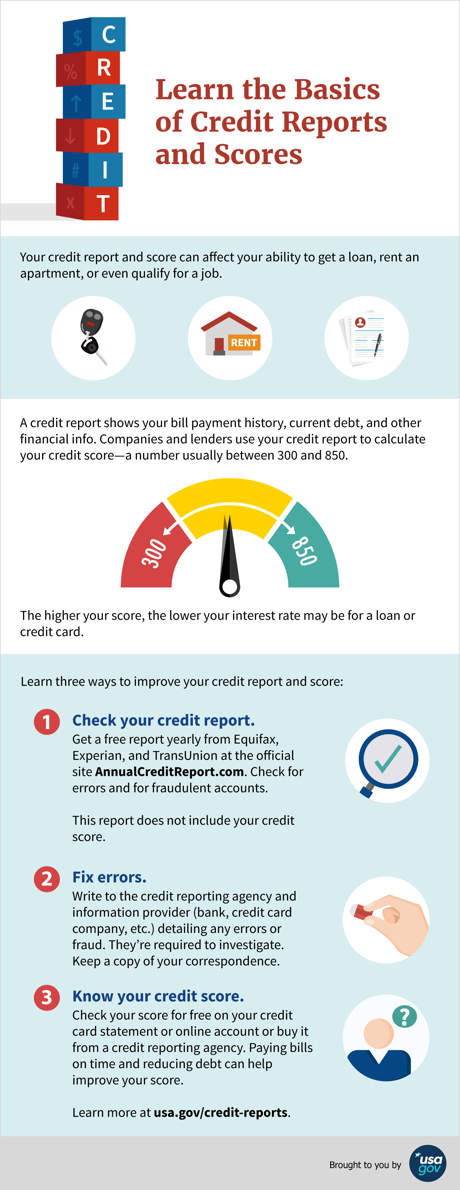
Credit reports

Credit reports is a vital document that contains information about you, such information may include your workplace, current debt, crime history, bill payment history, loans and shown whether you have filed for bankruptcy

The credit report retrieve data from three main credit reporting agencies which are TransUnion, Equifax and Experian.  Which is used to calculate your FICO score and your Vantage score.

The information in your credit report is used to calculate your credit score. It's based on the following factors:

·        Payment history

·        Outstanding balances

·        Length of credit history

·        Types of credit

 Credit score: A number that ranges from 300-850.it shows information about your credit history. Your credit score number will help creditors to determine whether to give you credit.


Here are few benefits to having a good credit score of 700 above.

·        Get Approval for Rental Houses and Apartments easily

·        Allow you to Pay fewer Interest Rates on Loans

·        Obtain  Approved for Higher Limits

·        Negotiating Power

·        High Chance for  Loan Approval


Considering getting a loan?

We have lenders for all types of loans FHA, VA, CONV, USDA, commercial and more


2. Determine how much house you can afford

Once you get pre-approved, your lender will tell you the maximum amount you’re able to borrow. 

You have to take into consideration the following criteria such as your annual income, monthly debts and projected down payment amount

Know that your mortgage payment consists of four parts, known as, Principal, Interest, Taxes, and Insurance.


Principal and Interest

Principal and interest include your payments toward the loan balance and interest paid to your lender, this contains your basic mortgage payment


Taxes

As a property owner, you’re liable for paying annual property taxes to the local taxing authority. This Property taxes range from 1 to 2 per cent of your home’s value annually


Insurance

Before you can obtain a mortgage loan you need to insure your home. So no mortgage lenders will give you a loan without carrying insurance on your home.

Consider your budget to fit your taste

after you have come up with a  rough budget of must-have home features. Your price point will likely dictate the size, location and amenities of your future home. Here are a few examples of wish list items to consider:

•          Number of bedrooms and bathrooms

•          Square footage

•          Outdoor space

•          Preferred location

•          Type of home

•          Layout, features and finishes

•          School district

•          Pet-friendliness

•          Work commute


3. Find a real estate agent

A real estate agent is a professional who represents sellers or buyers of real estate or real property, An agent that is informed about the area you want to buy your home from will know the worth of the homes there, this will help you to avoid overpaying for a property.

Every neighborhood has its unique qualities that you want to be aware of before you buy.

 Here are few things an agent can help you with.

 Market insights

 Helps to identify home value trends, new developments, buyer demand and the overall state of the market

Offer price

 He finds out what a home is worth and recommends a competitive initial offer amount

Negotiating

 Help to negotiate for a lower price and contingencies and repairs

 Local familiarity

 He has insider tips about the neighborhood and area schools

Professional recommendations

 He provides referrals for a trusted lender, attorney, contractor or other vendors

 Experience

 He makes the process easy by handling hiccups, staying on top of due dates and overseeing paperwork 

Choosing the right Realtor is a step to buying a home that should not be ignored.

Are you considering working with a professional realtor ?

 Then Chris Samuel is the best choice for you.

Chris Samuel serve clients around the globe.


 4. Get pre-approved

Before buying your home you need to get pre-approved, because this is very important in the home buying process, this means you should be able to get a loan if nothing changes about your credit score and financial situation.

 You will need to get a pre-approval letter, this will help you compete with another buyer during the home buying process, a lot of sellers Make it compulsory that their buyers get pre-approved because this shows how qualified you are and give sellers confidence that you are not going to be turned down for a loan.

Lenders will verify your employment details, income levels and credit, for you to be pre-approved.


5. Start the home search

A lot of buyers including you starts their home buying process online with their first search. Start on Augustagahomesearch.com and search for homes in your target area, then filter by price and your must-haves. And also you can request an agent to send you listings.


 6: Make an offer

At this stage, you have found your dream home, what next is for you to make an offer, the offer will be based on comparative market analysis and it is calculated based on the market value of comparable recent home sales in the same neighborhood. This will be done by your agent.

Your agent will help you to determine a fair price and advice you on possible terms for negotiation.

 When making an offer is important to consider the following.

Contingencies

It is an agreement stating the conditions that need to be met before a sale can proceed, this agreement usually involves a seller and buyer ( you) or the lender and the buyer. When applying for mortgage loan your lender will demand appraisal contingency to ensure they’re not overpaying you.


Closing date:

 Once you’ve decided to buy your home with a mortgage, the process will take 30-45 days after the contract is completed to close on the home,  although you can request a later closing date that will suit your moving schedule when you submit an offer, keep in mind that the seller may reject your request.


Down payment

This is a sum of money you’re willing to put down when you make an offer, this will show that you are serious about buying the home.


7: Schedule the inspection

Home inspection is a process that uncovers issues with the home itself, it evaluates the home condition from the foundation to the roof, which is usually done by professionals. This will help you to make an informed decision about the home you’re considering buying.

This inspection is usually done within a week of the contract being signed, it is highly advisable for you to attend the inspection because this will reveal hidden information about the home.


 8: Secure your financing

After you have been pre-approved, that is not the end you will have to submit your mortgage application to your lender and wait to receive ‘’ clear to close’’ this means your lender has officially approved your purchase.

9: obtain a homeowners insurance policy

If you’re a first time home buyer you will need the help of your lender to assist you to bring together a policy that can be paid through your escrow account monthly, because this policy will be needed to close on a home, you may ask your existing agent to help you get  a policy that suits you if you’re not a first time home buyer.

10. Close and move

A day Before closing you will want to work around to see if the property looks the same as when you made your offer and also that the seller completed repairs if agreed on.

Once you are pleased with the property signing of paperwork and payments of the closing cost, which ranges from 3-5% of the sale price is expected to be pay by you. Once you pay both sellers and buyers have to sign and close the deal.

Finally, received your dream home key. You are now a legal owner of the house congratulation

Posted in Home Buying
May 16, 2021

Ultimate Home Inspection Guide 2021


Owning a home is a great asset, often time buyers jump into buying the house without a home inspection and later found out that there is a defect.

After paying a huge amount of money to buy your dream home, you discovered later that the house doesn’t worth it, all the structure of the house needs to be fixed .how will you feel?  Sad right.

In this post, you will learn what a home inspection is, who is a home inspector, why it is important, mistakes to avoid, a list of items to check during an inspection, reasons you should not skip it.

Knowing all this will give you the confidence to proceed without worrying about unexpected repair bills.


What Is a Home Inspection?

Home inspection is a process that uncovers issues with the home itself, it evaluates the home condition from the foundation to the roof, which is usually done by professionals.

This will help you to make an informed decision about the home you’re considering buying.

According to a survey by ASHI, seventy-two percent of Americans believed that their home inspection before purchase of their home helped them to avoid potential issues with their home.


Who is a home inspector?


Source:  Americanfinancing.net

A home inspector is a certified professional that tests the condition of the property, with its heating and cooling systems, plumbing, electrical work, water, and sewage, as well as some fire and safety issues.

 Also, the home inspector will look for evidence of insect, water, or fire damage or any other issue that may affect the value of the property.


Why home inspection is important

Home inspection reveals the present condition of the house you’re intending to buy and also serve as an eye-opener to prepare you for future expenses

It simply tells you, if the house you’re about buying really worth it or not

 First-time buyers tend to let emotion affects their buying decision and make it difficult to see any problems with their new home.

 Although the home-buying process can be very stressful it really worth your time and money invested in it.

Imagine after purchase you discover that there is a major defect in the property just purchase how will you feel?  Sad right.

Yeah I know, that is the reason why you need home inspection to be done by professionals because this will help you find out if there are major defects with the property you just purchased.


 Here is why a home inspection is important.

•        Provide you with rest of mind that you’ve made a sound buying decision

•        Expose any necessary repairs and investments before you buy

•        provide you helpful details about each aspect of your new home

•        Help reduce the risk of unwanted “surprises” after you move in

•        Ease buyer’s remorse.

•        Successfully negotiate needed repairs


5   Home inspection mistakes to avoid

1.       Not carry out deep research of the inspector to work with

 While hiring a home inspector to examine your property, it is always advisable to

•        Choose someone trustworthily and competent

•        Always go with professionals who are licensed and certified by the American Society of Home      Inspectors.

•        Don’t choose base on who charges the lowest

•        Ask your Agent or nearby Agent to recommend a trustworthy inspector for you, don’t forget to screen them too

“   Too many homebuyers hire whoever is recommended to them without doing any research. The inspection is only as good as the inspector doing it, says Troy Bloxom,”


2.  Not making yourself present during the inspection

You need to be on the ground during the inspection so that you can ask the inspector questions you don’t understand.

One advantage of being present is you will be able to discuss your checklist and check if issues discovered are big or small to avoid worthless spending in the future


3. Not reading the inspection report

Been present during your home inspection is not all you have to take your time to read through and understand the inspection report what is the report telling you, is it telling you to go ahead with the purchase or to back out

Mitenbuler recommends the inspector should be someone that uses clear, concise language in person and in a written report, and you should scan a few reports by checking the inspector’s website or asking for a sample report.


4. Pay no attention to the inspector’s recommendations

At times, issues found are not taken seriously due to the cost factor. These issues may also be overlooked during negotiations. It’s very essential you consider all issues your inspector outline and take a follow up on those items discovered during the inspection before investing.


5. Not preparing a checklist

Not preparing a checklist: Home inspectors usually don’t check some items such as pipelines, tanks, sewerage systems during a home inspection. It’s advisable to add such items to your checklist while buying a home. If your inspector is unwilling to check these elements, it’s advisable to look for another that’s willing to inspect the elements.


Home inspection checklist: 27 List of items to check

Here’s are the list of items to pay attention to during home inspection. Having this checklist will help you to ask the right questions during a professional home inspection.


Exterior

•        Roof

•        Garages and/or carports

•        Exterior doors

•        Drainage, grading, plants, and retaining walls

•        Wallcoverings, flashing, and trim

•        Driveways, patios, and walkways

•        Balconies, decks, steps, porches, and railings

•        Eaves, fascias and soffits

•        Downspouts and gutters

Interior

•        Doors and windows

•        Garage doors and operators

•        Installed kitchen appliances

•        Walls, floors, and ceilings

•        Ductwork

•        Cabinets and countertops

•        Foundation

•        Fuel-burning fireplace and stoves

Plumbing

•        Water heater

•        Fixtures and faucets

•        Sump pumps

•        Sewage ejectors

•        Drain, vent, and waste systems

Electrical

•        Service equipment

•        Service cables, entrance conductors, and raceways

•        Light fixtures, receptacles, and power switches

•        Overcurrent protection devices

•        circuit interrupters

•        HVAC (heating, ventilation, and air conditioning), including thermostats, vents, distribution systems, access panels, insulation, and vapor retarders


5 reasons you should not skip home inspection.

After discovering your new home in a lovely neighborhood, you feel so happy right?

But there are many necessary costs, such as realtor and lawyer fees, after paying all these fees,

 You may be tempted to skip the home inspection, do you think you’re safe?

Oh no, that may not be the best idea. You need a professional home inspector to carefully examine the entire house, checking its systems, structure, and equipment for functionality and potential problems this will save you a lot of stress and thousands of dollars in the future.


  Here are 5 good reasons why you should get it done.

1.       It reveals hidden details of the property

 Home inspection can reveal hidden information about the condition of a home and its systems.

This informed and prepared you of what costs, repairs, and maintenance the home may require immediately, and in the future.

 If you aren’t comfortable with the findings of the home inspection, it usually presents one last opportunity to back out of the offer to buy.

This is why it’s very reasonable to do an inspection when purchasing a property because it may save you thousands.


2.       Safety

Safety is vital to the occupant of a home and a lot of things can negatively affect your safety. If you want to live in a safe home, you should never skip a home inspection.

You should ensure that your house is tested for things such as mold, gas leaks, carbon monoxide, radon, and electrical failures, all of which can affect your safety.


3. Predict Future Costs

After you purchase your home you might think that’s the end of spending on the house…but there is a lot of costs to keep the property to its taste which part of it is the maintenance cost.

 Home inspection reveals the state of various component of the house such as the roof, HVAC system, electricity, plumbing, and even some appliances   

An inspector can estimate their installation age, current condition, and their remaining lifespan of major units so you can plan for future expenses accordingly.


4.       Protect your investment

The home inspection is a valuable document prepared by a certified inspector that can suggest tips on how to maintain your home. Knowing those tips can save you thousands of dollar in the future


5.       Insurance

 You need a home inspection to be done before your home can be insured, according to  Haskett, Some insurance companies will not insure a home if certain conditions are found, or without the presence of certifications like Wind Mitigation and four-point inspections.

May 16, 2021

Home Seller’s Secret: The Cost of Selling Your Home 2021


Knowing the cost of selling your home ahead will save you time and avoid surprises at closing , there is always cost associated to selling your home .

In this post you’ll  know what to expect when selling your home, here are some cost attach to selling your home.


Mortgage Balance.

This is the remaining balance on your home loan. You will need to pay off your mortgage in its entirety when your home is sold. You or your title company should order a payoff from your lender when the home is listed for sale.   This includes any 2nd Mortgages and home Equity loans.


Prepayment Penalties .

 The lending institution that currently owns your mortgage may assess a pre-payment penalty. You  should speak to your lender now, ask if they plan on assessing a prepayment penalty, and figure out exactly how much that amount is.

Outstanding Liens

Any outstanding liens against the property must be paid before title can be transferred to the new owners.  Examples of outstanding liens are: tax-liens, Mechanic’s Liens (for unpaid contractors who’ve don work on the property), Judgments, Office of Recovery Services (for past-due child support payments)

A title company will be selected when you decide to sell your home.  A Property Report (PR) is ordered at the beginning of the transaction to identify all liens against the home.  If you believe any of these liens are invalid, your Title Company & Escrow Officer will assist in getting them removed before the sale date


Closing Costs

Buyers & Sellers each have their own, separate Closing Costs.  All closing costs associated with the sale of your home will be listed for you on your Settlement Statement.  Closing costs for the Seller include:

 1. Title costs for documents and services fees, Recording/filing fees 

 2. Title Insurance Policy,

 3. Prorated property taxes.


Taxes & Real Estate Sales.

The money that you make from the sale of your home is considered capital gains. The good news is that these profits can be excluded from your taxable income, up to $250,000 for an individual or $500,000 for a married couple, as long as your home was your principal residence. These numbers change and are not guaranteed.  Please consult with your CPA

To exclude the full portion of those gains, you will need to have lived in your house for at least 24 months in the 5 years previous to the sale date of the property. This is considered the 2 in 5 rule.

If you do not meet the minimum occupancy requirement you still may be able to exclude a  portion of  your gains if you are selling your house because of circumstances related to your health or to your job.

 You should speak with your accountant or a certified tax specialist  if you  believe you fall under one of the exclusions or need help in reporting your capital gains after the sale of your home.

If this property is a real estate investment your profits will be considered taxable income and  will  be subject to  state, federal and self-employment  taxes. 

 You  can  defer all capital gains   taxes in a 1031 exchange, if you are planning to reinvest the proceeds of your real estate sale into a new property.

Again, in this circumstance you should speak to a financial specialist who can help you fully understand  and minimize your tax liability.


5 reasons you should list your home for sale now.

1.     Demand Is Crazy

The latest Buyer Traffic Report from the National Association of Realtors (NAR) shows that buyer demand remains very strong throughout the vast majority of the country.

These buyers are ready, willing and able to purchase… and are in the market right now! More often than not, multiple buyers are competing with each other to buy a home.

 You should take advantage of the buyer activity currently in the market.


2.     There Is Less Competition Now

Housing inventory is still under the 6-month supply that is needed for a normal housing market. This means that, in the majority of the country, there are not enough homes for sale to satisfy the number of buyers in the market. This is good news for homeowners who have gained equity as their home values have increased.

Historically, the average number of years a homeowner stayed in their home was six, but has jumped to an average of almost nine years since 2008. There is a pent-up desire for many homeowners to move, as they were unable to sell over the last few years because of a negative equity situation. As home values continue to appreciate, more and more homeowners will be given the freedom to move.

The choices buyers have will continue to increase. Don’t wait until this other inventory comes to market before you decide to sell.

3.     The Process Will Be Quicker

Today’s competitive environment has forced buyers to do all they can to stand out from the crowd, including getting pre-approved for their mortgage financing. This makes the entire selling process much faster and much simpler as buyers know exactly what they can afford before home shopping.

4.       There Will Never Be a Better Time to Move Up

If your next move will be into a premium or luxury home, now is the time to move-up! The inventory of homes for sale at these higher price ranges has forced these markets into a buyer’s market. This means that if you are planning on selling a starter or trade-up home, your home will sell quickly AND you’ll be able to find a premium home to call your own!

Prices are projected to appreciate by 5.2% over the next year according to CoreLogic. If you are moving to a higher-priced home, it will wind up costing you more in raw dollars (both in down payment and mortgage payment) if you wait.

Look at the reason you decided to sell in the first place and determine whether it is worth waiting. Is money more important than being with family? Is money more important than your health? Is money more important than having the freedom to go on with your life the way you think you should?

Only you know the answers to the questions above. You have the power to take control of the situation by putting your home on the market.

Perhaps the time has come for you and your family to move on and start living the life you desire.

That is what is truly important


Demand Is High & Inventory Is Low!


The Joint Center of Housing Studies (JCHS) at Harvard University recently released their State of the Nation’s Housing Study.

The first two revelations centered around the shortage of housing inventory currently available in both existing homes and new construction.

Regarding Existing Home Inventory.

“For the fourth year in a row, the inventory of homes for sale across the US not only failed to recover, but dropped yet again. At the end of 2016 there were historically low 1.65 million homes for sale nationwide, which at the current sales rate was just 3.6 months of supply – almost half of the 6.0 months level that is considered a balanced market.” Regarding New Home Inventory:

“Markets nationwide are still feeling the effects of the deep and extended decline in housing construction.

Over the past 10 years, just 9 million new housing units were completed and added to the housing stock.

This was the lowest 10-year period on records dating back to the 1970s, and far below the 14 and 15 million units averaged over the 1980s and 1990s.”


What Is your Home Worth?

Here’s the great news, your home really may be worth more than you are expecting.

So, the question becomes, how much is my home worth.  Many factors impact the value of real property.  Below is a list of some of the things that will affect your home value:

FACTORS THAT IMPACT YOUR HOME VALUE: 

•        Local Market Conditions

•        Comparable Home Sales

•        Buyer availability For Your Home

•        Interest Rates

•        Inventory Levels

•        Condition of home & improvements

•        Location


What is A Comparative Market Analysis (CMA)?

A CMA is a comprehensive examination of what homes that are similar to yours, have sold for in the last 0-100 days.  You can go back 180 days, but appraisers prefer to stay within a 90 day window.

A good CMA will also take into account homes that are currently Under Contract & actively for sale in order to evaluate the market.  It also allows you to spot ‘pricing holes’ that you may be able to exploit. 


 Pricing Strategies: One Offer Or Multiple Offers?


Every homeowner wants to make sure they maximize their financial reward when selling their home. But how do you guarantee that you receive maximum value for your house? Here are two keys to ensure that you get the highest price possible.


1. Price it a LITTLE LOW

This may seem counterintuitive. However, let’s look at this concept for a moment. Many homeowners think that pricing their home a little OVER market value will leave them room for negotiation. In actuality, this just dramatically lessens the demand for your house (see chart below).         


2 .  Use a Real Estate Professional

This, too, may seem counterintuitive. The seller may think they would make more money if they didn’t have to pay a real estate commission. With this being said, studies have shown that homes typically sell for more money when handled by a real estate professional.

A new study by Collateral Analytics, reveals that FSBOs don’t actually save any money, and in some cases may be costing themselves more, by not listing with an agent.

In the study, they analyzed home sales in a variety of markets in 2016 and the first half of 2017 . The data showed that :

“FSBOs tend to sell for lower prices than comparable home sales, and in many cases below the average differential represented by the prevailing commission rate.”

 The Role Access Plays In Getting Your House Sold!

There are three  key  elements that affect how quickly your house will sell and how much it will sell for.  They are: Price, Condition & Access.  It’s seriously inconvenient to have people coming through your home, but if you do it right…you won’t have to do it for long!

Here are some things to DO…and some things to NOT DO! 

 DO Put A Secure Realtor Lockbox on the Door

Only Realtors & approved partners of the Local Board of Realtors can access this box. It allows Buyer’s Agents to show the home at their convenience. The box will also record the time & date it was accessed and all of the agent’s information.  We ALWAYS know who has come through your home.

DON’T Use A Contractor’s Lock Box

These boxes are easy to break into and impossible to track. They operate like a simple combination bike lock.  You can’t tell who’s used them.  And ANYONE with the combination can get into your home. 

DO Step Out During A Showing

Although the buyer’s agent & Buyer may be friendly, they need privacy to discuss your home’s features & benefits.  You may also inadvertently say something harm your ability to negotiate a full price offer.  

DON’T Wait Too Long To Respond To Showing Requests

Respond to showing requests quickly.  Don’t give that buyer an opportunity to write an offer on someone else's home!

DO Use A Showing Service

 Ask your agent if they use a showing service.  This is a service that answers the phone 24/7 to take showing appts.  Don’t miss out on showings because your agent wasn’t available to take the call!  (The Service will confirm the appointment with you first, so you always know when showings are scheduled). 

In a competitive marketplace, access can make or break your ability to get the price you are looking for, or even sell your house at all.


Do Home Improvements Pay Off?

When it comes to listing your home, there’s no single set of rules regarding property improvements. 

The question to keep in mind is will you get a return on your investment?  As a general rule, you will not recover 100% of your costs on big-ticket improvements. 

Most big home-improvement projects will only recoup 70-90% of their cost, so what does that mean to you?  It may not be worth it.

 Here are a few improvements that can pay off:

Paint A Neutral Color

Provides a clean canvas for the new buyers and gives the open a bright, open feeling.

Repair

 No one wants to inherit someone else's do-do list.  Make sure all minor repairs have been done before buyers view your home. 

New Carpet

If professional cleaning just isn’t going to do the trick, it may be worth investing in new carpet.  Especially, if that’s the only way to address lingering pet odors!

New Front door/Garage Door

Replacing either or both of these can dramatically change the appearance of the home.   


DON’T CONFUSE HOME IMPROVEMENTS WITH HOME STAGING!  Getting your home ‘ready’ for sale is different from remodeling your kitchen!  There are specific, low cost things you can do to dramatically change the appearance of your home. 


Expect the unexpected with home inspections.

Home inspection reveals the present condition of the house you’re intending to sell  .  It’s a great way to get any issues addressed ahead of time!

the key is to find out what, if any, of these repairs are really necessary in order to proceed to the closing table!

Here are some of the things a home inspector will be checking:


•        HVAC Systems – They will inspect your furnace/boiler, Air Conditioning Unit, & Water Heater along with all duct work.

•        Plumbing  – They will inspect all of your plumbing, check the pressure in the pipes, and look for any evidence of current or past leaks and water damage. 

•        Electrical – They will check outlets, wiring, and inspect the electrical panel.  They will be looking for double-tapped breakers, faulty wiring, etc.  

•        Structure – They will inspect the roof, foundation, windows and interior structures of the home.

•        Hazardous Substances – It’s also very common now for home inspectors to test for the presence of mold, methamphetamine, and radon gas.

You can save yourself a lot of headaches and hassle by having your home in good repair before any inspections take place.  You may even consider having home inspected prior to  listing.


How An Agent Can Help When Selling Your Home


When a homeowner decides to sell their house, they obviously want the best possible price with the least amount of hassles. However, for the vast majority of sellers, the most important result is to actually get the home sold.

A Realtor is a Consultant, a Contract Negotiator and a Marketer all rolled into one.  What you may NOT know, is that your Realtor is very similar to your Attorney. 

Like an Attorney, your Realtor has a Legal Fiduciary Duty to look out for your best interest (even over their own) throughout your transaction with them. 

You also need to consider that most Buyers will be represented by a professional.

Buyers may search for a home online, but 96% of buyers purchased their home through a real estate agent/broker or from a builder or builder’s agent. Only 2% purchased their home directly from a seller whom the buyer didn’t know.

Every year, the laws and contracts that govern the sale of real estate change.  (And they’re NOT getting simpler!) 

It pays to have a dedicated professional to Connect-the-Dots for you throughout the process. 

Bottom Line

If you are thinking of selling your home, don’t underestimate the role that a real estate professional can play in the process


 Understanding Offers

it may impact the sale of your home; not someone only interested in trying to sell you on how great they are. Request our list of ‘Insider Questions To Ask When Interviewing Listing Agents”.

It would be great if closing a real estate transaction was like buying a new bike or TV, just cruise through the aisles, pick your favorite model and head for the register. But this just isn’t the case.

 Real estate transactions are complex and involve as many  as twenty  different players including real estate brokers, buyers, sellers, attorneys, inspectors, appraisers, lenders, and often contractors. Because of this, even the simplest transaction today typically takes between 30 and 45 days to close.

Here's an overview of how the process will typically work once an interested buyer has submitted an offer.

1.     Dealing With Offers

When a buyer or a buyer's agent makes a formal offer we will review the offer in its entirety together. It will include the offer price, as well as the terms and conditions of the offer.

Offers will come on a legal form, and if accepted, you will be entering into a legal contract with the buyer. (Keep in mind that there are still lots of ways ‘out' for both you and the buyer at this point.)

 2.   When we evaluate offers we'll of course consider the offer price, but we also need to review the following:

•        Terms & conditions of the offer, such as deadlines, and any personal property they may be asking to be included in the sales price

•        Their pre-approval letter and the strength of their loan qualification.

•        Compare to any other offer on the table that may be a better fit. 


After a buyer submits an offer you can accept, reject, or counter offer. We will prepare any counter offers together, and I will submit that to the buyer's agent or the buyer and guide you through the negotiations.


Once You’ve Accepted An Offer

Once we’ve  received an acceptable offer and entered into a contract, there  are several steps that will need to be completed before the transaction and transfer of your property is complete.

 The paperwork involved in selling and buying a home has increased dramatically as industry disclosures and regulations have become mandatory.

This is one of the reasons that the percentage of people FSBOing has dropped from 19% to 8% over the last 20+ years.

During the time between Acceptance & Settlement a number of items will be completed, including home inspections, appraisals and negotiating any repairs items the buyer may request. 

Understanding Property Discloses  (YES, You Must Disclose!)

When you list your home, you will be asked to fill out a 6-page disclosure statement that  will list "material  facts" about problems you are aware  of regarding the condition and history of  your home.

  Both federal and state laws govern what must be disclosed during   a property sale and as the homeowner you must be the person to complete these disclosure forms.

 The general rule of thumb is that you must disclose anything that you have direct knowledge of.

As you fill out these forms just remember, you should strive to answer all of the questions to the best of your ability. Don't sweat the small stuff, but make sure you disclose everything that you'd want disclosed to you if you were the buyer. 

If you  don't  know the  answer to  a  question  (such as  exact  age  of  the  roof  if you're  not the original owner or the  like), answer  "Do Not Know." But not having precise facts about defects you know exist does not permit you to answer "Do Not Know" to every question. This will always raise a red flag.


If  you  feel like you  don't  properly  understand the  disclosure  requirements, you  should  consult your Realtor.

I’m sure you have questions and concerns…

I would love to talk with you more about what you read here, and help you on the path to selling your house. My contact information is below. I look forward to hearing from you…


Chris Samuels

GA / SC Agent

Roman Realty

Csamuels10@aol.com

AugustaGaHomeSearch.com

706-564-5885

Posted in Home Selling